

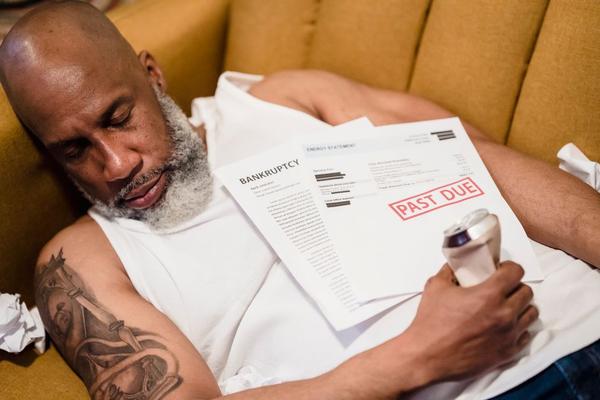
For years, many borrowers assumed that student loans simply could not be erased in bankruptcy. That belief was never completely accurate, but the process was often difficult and intimidating. In 2026, student loan discharge in bankruptcy remains possible when repayment would cause “undue hardship.” The important change is not a new automatic right to cancellation. Instead, a federal process introduced in 2022 and still active in 2026 gives eligible borrowers with Department of Education loans a clearer, more standardized path.
Student debt is not normally wiped out by the standard discharge order in a Chapter 7 or Chapter 13 case. A borrower usually has to take an additional step, prove hardship and obtain a separate decision from the bankruptcy court. The process is more accessible than it once was, but approval is never guaranteed.
Can Student Loans Be Discharged in Bankruptcy?
Yes, but not automatically. Under Section 523(a)(8) of the Bankruptcy Code, many educational debts survive bankruptcy unless excluding them from the discharge would impose an undue hardship on the borrower and the borrower’s dependents.
To request relief, the borrower generally files an adversary proceeding, which is a lawsuit connected to the main bankruptcy case. The borrower asks the judge to decide that some or all of the student loan debt should be discharged. Filing bankruptcy alone, listing the loans or receiving a normal discharge order is usually not enough.
What Changed for Student Loan Bankruptcy in 2026?
The student loan bankruptcy 2026 landscape reflects a continuing Department of Justice and Department of Education process first issued in November 2022. The official guidance remained active and was updated online in March 2026, while the standard borrower attestation form was revised in May 2025.
For federal loans held by the Department of Education, the process gives government attorneys a structured way to review whether a borrower has shown undue hardship. Borrowers provide information about income, necessary expenses, future earning prospects and previous efforts to repay. The government can then agree to relevant facts and recommend a full or partial discharge when the evidence supports relief.
The bankruptcy judge still makes the final decision. The guidance does not eliminate the hardship requirement or bind the court. It mainly reduces uncertainty and makes discharging federal student loans less procedurally burdensome for borrowers who appear to meet the legal standard.
Understanding the Undue Hardship Test
Congress did not define “undue hardship” in detail, so federal courts developed tests for applying the rule. The best-known approach is the Brunner test, used in many federal circuits. Other courts apply a broader totality-of-the-circumstances analysis. The governing test therefore depends on where the bankruptcy case is filed.
How the Brunner Test Works
Under the Brunner test, a borrower generally must establish three points. First, based on current income and reasonable expenses, the borrower cannot maintain a minimal standard of living while repaying the loans. Second, additional circumstances indicate that the difficulty is likely to continue for a significant part of the repayment period. Third, the borrower has made a good-faith effort to repay.
Good faith does not necessarily mean years of perfect payments. Courts may consider whether the borrower contacted the servicer, explored repayment options, made payments when able, reduced unnecessary expenses or tried to improve income. The analysis is highly fact-specific.
What Evidence May Support Undue Hardship?
Useful evidence may include pay records, tax returns, benefit statements, housing costs, medical expenses, childcare costs, employment history and documentation of a long-term limitation. A realistic household budget is especially important because courts often distinguish necessary living costs from expenses that could reasonably be reduced.
Future ability to pay also matters. A temporary setback may be insufficient if the borrower is likely to return to a strong income. By contrast, advanced age, chronic illness, disability, long-term unemployment, care responsibilities or a sustained history of low earnings may support the argument that repayment difficulty will persist.
Which Student Loans Are Covered?
The streamlined federal process primarily concerns loans held by the U.S. Department of Education. It does not automatically control cases involving private lenders, commercially held federal loans or every education-related obligation.
Private student loans require careful review. Some fall within the special bankruptcy protection of Section 523(a)(8), while others may not meet the statutory definition and could be dischargeable without proving undue hardship. Loan documents, the school, cost of attendance, amount borrowed and use of the funds can all matter.
How to Seek a Student Loan Discharge
The first step is usually to consult a consumer bankruptcy attorney who has handled student loan adversary proceedings. Local court practices can affect service, deadlines and required documents.
After the main bankruptcy case is filed, the borrower generally files a complaint asking the court to determine dischargeability. In a case involving Department of Education debt, the borrower may complete the federal attestation form and provide supporting records. Government attorneys review the submission and decide whether to oppose the request, agree to facts or recommend partial or full relief.
Borrowers should be complete and accurate. Missing income, unexplained expenses or inconsistent statements can weaken a valid case. It is also wise to compare bankruptcy with non-bankruptcy options, including available repayment plans, disability discharge or school-related discharge. Bankruptcy may solve several debts at once, but it is not automatically the best solution for everyone.
Frequently Asked Questions
Are student loans automatically discharged in Chapter 7?
No. Most covered student loans remain due unless the borrower files an adversary proceeding and the court determines that repayment would impose an undue hardship.
Does the 2026 process guarantee discharge of federal student loans?
No. The federal guidance creates a more consistent review process, but the borrower must still provide evidence and the bankruptcy judge retains final authority.
Can only part of a student loan be discharged?
Yes. Depending on the jurisdiction and circumstances, a court may grant a partial discharge when full repayment would cause undue hardship but some repayment remains possible.
Do private student loans use the same process?
Not always. The Department of Justice guidance is designed for Department of Education loans. Private loan cases may involve different defendants and analysis of whether the debt is protected by Section 523(a)(8).
The Bottom Line
Student loan discharge in bankruptcy is possible in 2026, and the path for eligible federal borrowers is clearer than it was a few years ago. Still, the law has not created automatic forgiveness. Success usually requires an adversary proceeding, detailed financial evidence and proof that repayment would create an undue hardship under the standard used by the local court.
Borrowers facing long-term financial distress should not accept the old claim that student loans can never be discharged. A careful review of the loan type, household finances and available alternatives may show that full or partial relief is realistic. Because outcomes depend on individual facts and jurisdiction, advice from an experienced bankruptcy professional can be valuable.