

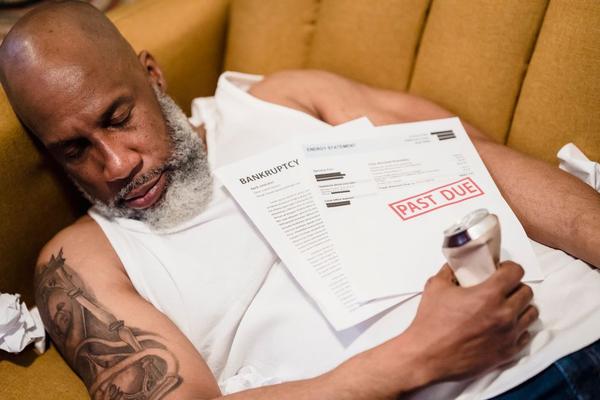
Chapter 13 bankruptcy is less about a single court date and more about following a financial plan for several years. Instead of immediately liquidating eligible assets, people with regular income propose a way to repay some or all debts while generally keeping their property. The trade-off is a longer commitment, usually three to five years, with continuing oversight.
Understanding the Chapter 13 bankruptcy process before filing matters because court approval is only the beginning. The real test is making payments, maintaining essential bills, and meeting the conditions for a bankruptcy discharge.
What the Chapter 13 timeline looks like
Most cases move through preparation and credit counseling, filing a petition and repayment plan, a trustee meeting, a confirmation hearing, years of payments, and finally discharge. Unlike Chapter 7, Chapter 13 generally does not eliminate qualifying debts soon after filing.
The plan typically lasts three years for someone below the applicable state median-income threshold, although a longer plan may be approved for cause. Above that threshold, the commitment period is generally five years. A shorter plan may be possible when unsecured claims are paid in full. No Chapter 13 plan can exceed five years.
Before filing: Check eligibility and build a budget
Chapter 13 serves individuals with regular income, including eligible self-employed people, whose debts fall within statutory limits. Those limits change periodically, so confirm current figures rather than relying on outdated estimates. Previous bankruptcy filings can also affect eligibility.
One of the first Chapter 13 filing steps is completing credit counseling with an approved agency within 180 days before filing, subject to limited exceptions. This differs from the financial-management course required later for discharge.
Gather creditor balances, mortgage statements, tax information, income records, property details, and household expenses. Calculate what remains after essential costs. A proposed payment that works only when nothing unexpected happens may prove difficult to sustain.
Filing the petition and repayment plan
The case begins with a petition in the appropriate federal bankruptcy court. Required disclosures generally cover assets, debts, income, expenses, and financial history. Unless the court extends the deadline, the repayment plan must be filed with the petition or within 14 days afterward.
Filing normally triggers the automatic stay, stopping many lawsuits, garnishments, and collection contacts. Exceptions apply, and repeat filings may limit protection. Filing also does not necessarily undo a foreclosure sale already completed under state law.
Plan payments ordinarily begin within 30 days of filing, even if the judge has not confirmed the plan. Waiting for court approval before budgeting for the first payment is a costly mistake.
How the repayment plan handles different debts
A Chapter 13 plan does not divide every debt equally. Priority claims, including many tax debts and certain support obligations, receive special treatment. Secured creditors hold collateral, such as a car or house. General unsecured debts, including many credit cards, may receive only part of what is owed.
Payments to unsecured creditors depend on projected disposable income, statutory calculations, and what creditors would receive in a hypothetical Chapter 7 liquidation. That is why a confirmed plan may repay unsecured claims without paying all balances in full.
Homeowners may use Chapter 13 to catch up on qualifying mortgage arrears while paying new installments as they become due. Missing ongoing mortgage payments can still endanger the home. A comparison of Chapter 7 versus Chapter 13 bankruptcy helps explain this distinction.
The trustee meeting and plan confirmation
Meeting of creditors
A Chapter 13 trustee reviews the case, collects plan payments, and distributes funds to creditors. Usually between 21 and 50 days after filing, the trustee conducts the meeting of creditors, called the 341 meeting. The debtor answers questions under oath about finances and the plan. Creditors may attend and ask questions.
Confirmation hearing
The bankruptcy judge decides whether the proposed plan meets legal requirements and is feasible. The trustee or creditors may object to incomplete disclosures, unrealistic payments, or improper treatment of claims. An amended plan may be needed before confirmation.
Confirmation makes the plan binding; it does not grant a discharge. Regular payments continue, often through payroll deduction or direct payments to the trustee.
Living with Chapter 13 for three to five years
Maintaining the plan is usually the longest stage. Debtors must make trustee payments, meet obligations such as ongoing mortgage payments and domestic support, file required tax returns, and follow court orders. New borrowing may require consultation with the trustee or court approval under local rules.
Consider a homeowner who can afford a $650 monthly plan payment while paying the mortgage separately. If that budget depends on occasional overtime, reduced hours could create an immediate shortfall. Basing payments on dependable income gives the plan a better chance of success.
Keep a payment calendar, trustee statements, tax records, and court notices together. A guide to managing debt during bankruptcy can serve as a companion checklist.
What if finances change?
Job loss, illness, or higher essential expenses can undermine the original plan. Do not simply stop paying or assume the trustee will lower the payment automatically. Contact a bankruptcy attorney promptly. Depending on the facts, the plan might be modified, or the case could be converted or dismissed.
In limited circumstances, someone unable to complete payments for reasons beyond their control may qualify for a hardship discharge. Its requirements are strict, and the relief is generally narrower than a normal Chapter 13 discharge.
Completing payments and receiving a discharge
After the plan is completed, the court checks the remaining discharge requirements. These generally include an approved post-filing financial-management course, applicable domestic-support certifications, and restrictions related to certain earlier discharges.
A bankruptcy discharge ends personal liability for qualifying debts covered by the plan, but not every obligation disappears. Certain taxes, domestic support, most student loans, and other debts may remain. Long-term obligations such as a continuing mortgage generally survive. For more detail, see a guide to debts bankruptcy cannot erase.
Frequently asked questions
How long does Chapter 13 bankruptcy take?
Most plans run three to five years. Filing, the trustee meeting, and confirmation occur earlier, but the usual discharge follows successful completion of payments and other requirements.
Must I pay every credit card balance in full?
Not necessarily. Unsecured creditors may receive only a percentage of their claims, depending on income, asset values, and the approved plan. Some plans require full repayment.
Can Chapter 13 stop foreclosure?
Filing may stop pending foreclosure and allow eligible mortgage arrears to be paid through a plan. Timing matters, and future mortgage payments generally must remain current.
What happens if I miss a plan payment?
Missed payments can lead to trustee action and potentially dismissal or conversion. Contact your attorney promptly to discuss catching up or requesting a modification.
Final thoughts
Chapter 13 is most workable when the proposed budget reflects real household finances, not optimistic assumptions. Knowing the deadlines, the trustee’s role, and the years of required payments helps readers decide whether it fits their circumstances. Because outcomes depend on federal law, local court rules, and individual facts, seek advice from a qualified bankruptcy attorney before filing.